What Is Shortening? Everything Aussie Bakers Need to Know
Published March 2026 · 6 min read · BakeFinder.com.au
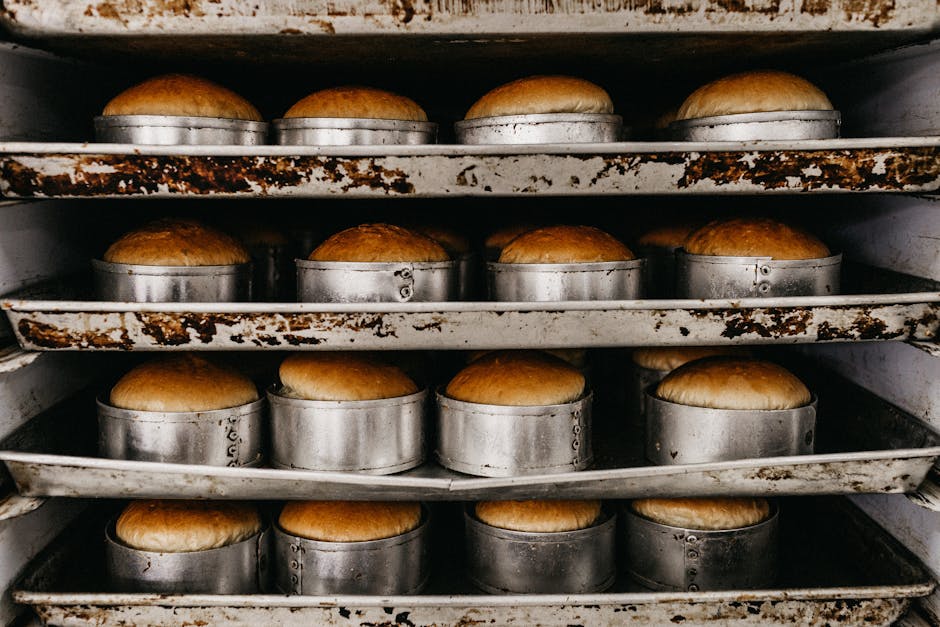
Photo by Jonathan Borba on Pexels
If you’ve ever followed an American baking recipe only to scratch your head at the ingredient list, you’ve probably encountered “shortening.” This mysterious fat appears in countless recipes for biscuits, pastries, and cakes, but what exactly is it? And more importantly for us Aussie bakers, where can you find it and what can you use instead?
Don’t worry – shortening isn’t as complicated as it sounds. In fact, understanding this versatile baking fat can take your home baking to the next level, especially when you’re trying to achieve that perfect flaky pastry or tender cake crumb.
What Exactly Is Shortening?
Shortening is a solid fat that’s specifically designed for baking and cooking. The name comes from its ability to “shorten” gluten strands in dough, which creates tender, flaky textures in baked goods. Unlike butter, shortening is 100% fat with no water content, making it incredibly effective at creating specific textures in pastries and cakes.
Traditionally, shortening was made from animal fats like lard, but modern shortening is typically made from vegetable oils that have been hydrogenated to become solid at room temperature. This process transforms liquid oils into a stable, white, odourless fat that’s perfect for baking.
How Shortening Works in Baking
The magic of shortening lies in its unique properties. Because it contains no water (unlike butter, which is about 15-20% water), shortening creates incredibly tender textures. It also has a higher melting point than butter, which means it stays solid longer during the baking process, creating distinct layers in pastries and preventing excessive spreading in biscuits.
Shortening vs Butter vs Margarine: What’s the Difference?
This is where things get interesting for Australian bakers. Each fat brings something different to your baking:
Shortening
- 100% fat, no water content
- Neutral flavour
- Creates very tender, flaky textures
- Higher melting point
- Longer shelf life
Butter
- About 80% fat, 15-20% water
- Rich, distinctive flavour
- Creates tender textures with good flavour
- Lower melting point
- Adds flavour complexity
Margarine
- Similar fat content to butter
- May contain water
- Flavour varies by brand
- Often softer than butter at room temperature
- More affordable option
The key difference is that shortening is purely functional – it’s all about texture, not flavour. Butter brings both texture and taste, while margarine sits somewhere in between.
Types of Shortening Available in Australia
In Australia, shortening isn’t as common in home kitchens as it is in America, but it’s definitely available if you know where to look.
Vegetable Shortening
This is the most common type you’ll find in Australian supermarkets. Brands like Copha (coconut shortening) are widely available in the baking aisle. Copha is actually a form of shortening made from coconut oil and works brilliantly in recipes calling for shortening.
All-Vegetable Shortening
Some specialty baking stores stock imported American brands like Crisco, though these can be pricey. These are made from various vegetable oils and have a very neutral flavour.
Lard
Traditional animal-based shortening is still available from some butchers and specialty stores. Lard creates exceptionally flaky pastries but has fallen out of favour with many home bakers.
Australian Buying Guide: Where to Find Shortening
Finding shortening in Australia requires knowing where to look and what local alternatives work well.
Major Supermarkets
Coles and Woolworths: Look for Copha in the baking aisle. This coconut-based shortening works excellently in most recipes calling for vegetable shortening.
IGA: Some larger IGA stores stock imported shortening brands, particularly in areas with diverse populations.
Specialty Stores
Baking supply shops: These often stock proper vegetable shortening, including imported American brands.
Asian grocery stores: Many carry vegetable shortening, often at better prices than mainstream supermarkets.
Bulk food stores: Some wholesalers and bulk stores carry commercial-grade shortening.
Online Options
If you can’t find shortening locally, several online retailers ship across Australia. Just factor in the cost of shipping when comparing prices.
Best Australian Substitutes for Shortening
Can’t find shortening? No worries! Here are the best substitutes readily available in Australian supermarkets:
Copha (Coconut Shortening)
This is your best bet and it’s available everywhere. Copha works identically to vegetable shortening in most recipes. Just remember it has a subtle coconut flavour, which is usually pleasant but worth noting.
Solid Margarine
Choose a firm margarine like Meadow Lea or Western Star stick margarine. These work well, though they contain some water so your results might be slightly different.
Vegetable Oil
For some recipes, you can substitute liquid vegetable oil, though this will change the texture. Use about 25% less oil than the shortening called for.
Butter (With Adjustments)
Butter can substitute for shortening, but reduce other liquids in your recipe slightly to account for butter’s water content. The flavour will be richer and more pronounced.
Using Shortening in Your Baking
Best Applications
Shortening really shines in:
- Pastry: Creates incredibly flaky pie crusts and sausage rolls
- Biscuits: Helps maintain shape and prevents excessive spreading
- Icing: Creates stable, white buttercream that holds its shape
- Deep frying: Has a high smoke point, perfect for doughnuts
Storage Tips
Store shortening in a cool, dry place. It doesn’t need refrigeration and can last up to two years unopened. Once opened, use within a year for best quality. If you live in a very hot climate, refrigeration can help maintain consistency.
Measuring Shortening
Shortening can be tricky to measure accurately. For best results, pack it firmly into measuring cups or weigh it on kitchen scales (much more accurate!). If it’s too firm, let it sit at room temperature for 30 minutes before measuring.
Frequently Asked Questions
Is shortening healthier than butter?
Not necessarily. While modern shortening contains fewer trans fats than older versions, it’s still highly processed. Butter, despite being higher in saturated fat, is less processed. For baking, use whatever gives you the results you want, but neither should be considered a health food!
Can I use melted shortening instead of solid?
Generally no. The solid state of shortening is crucial for creating flaky textures and preventing spreading. Melting it changes how it functions in recipes. If your shortening has melted accidentally, chill it until solid again before using.
Why do American recipes use shortening so much?
Shortening became popular in America during World War II when butter was rationed. It’s remained popular because it’s shelf-stable, affordable, and creates consistent results. Many traditional American recipes were developed with shortening, which is why you see it so often.
Can I make my own shortening?
While you can’t easily replicate commercial shortening at home, you can create similar effects by using very cold, cubed butter in pastry recipes, or by mixing equal parts butter and neutral oil for some applications.
Ready to experiment with shortening in your baking? Whether you’re making flaky meat pies, tender lamingtons, or perfect pavlova bases, understanding fats like shortening will elevate your home baking game. For more Australian baking tips, ingredients guides, and local supplier recommendations, explore the resources available at BakeFinder.com.au – your complete guide to baking success Down Under.