What is Fresh Yeast? The Australian Baker’s Secret Ingredient
Published March 2026 · 7 min read · BakeFinder.com.au
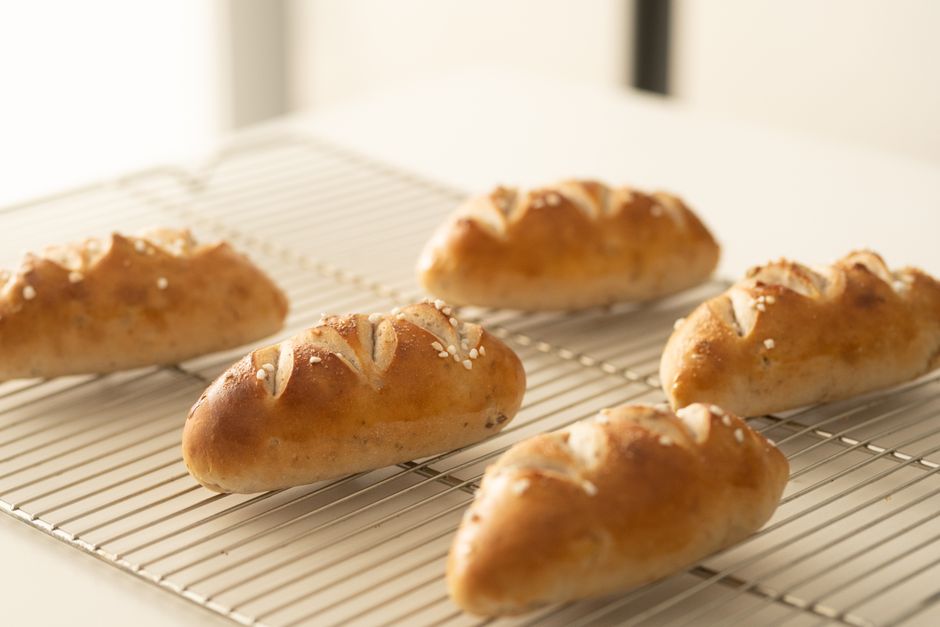
Photo by Cats Coming on Pexels
Walk into any professional bakery in Australia, and you’ll likely spot blocks of what looks like putty-coloured clay sitting in the cool room. This unassuming ingredient is fresh yeast – and it’s the secret weapon that many bakers swear by for creating bread with exceptional flavour and texture.
If you’ve only ever used the little sachets of dried yeast from the supermarket, you might be wondering what all the fuss is about. Fresh yeast, also known as compressed yeast or cake yeast, is actually the purest form of baker’s yeast available. Unlike its dried counterparts, fresh yeast is alive and active, containing about 70% moisture and requiring refrigeration to stay viable.
For beginner bakers, fresh yeast can seem intimidating – it’s less shelf-stable than dried yeast, harder to find, and doesn’t come with the same foolproof instructions printed on the packet. But once you understand how to use it, fresh yeast can transform your home baking from good to extraordinary.
Understanding Fresh Yeast: The Basics
Fresh yeast is essentially a living organism – specifically, Saccharomyces cerevisiae – that’s been cultivated and compressed into blocks. Unlike dried yeast, which has been dehydrated to extend its shelf life, fresh yeast retains all its moisture and remains in an active state when stored properly.
The yeast appears as a cream to light brown block with a crumbly, clay-like texture. When fresh, it should feel slightly moist and have a pleasant, mildly sweet aroma reminiscent of beer or wine. If it smells sour, feels slimy, or has developed dark spots, it’s past its prime and won’t give you the results you’re after.
How Fresh Yeast Works
When fresh yeast comes into contact with warm water and sugar (whether added directly or naturally present in flour), it begins to feed and multiply rapidly. This process produces carbon dioxide gas, which gets trapped in the gluten network of your dough, causing it to rise. The byproducts of this fermentation also contribute to the complex flavours we associate with well-made bread.
Because fresh yeast is already active, it typically works faster than dried alternatives. You’ll often notice your dough rising more quickly, which can be particularly advantageous when you’re working to a timeline.
Fresh Yeast vs Dried Yeast: What’s the Difference?
The main differences between fresh and dried yeast go beyond just moisture content. Fresh yeast generally provides a more robust fermentation, leading to bread with better flavour development and a superior crumb structure. Many professional bakers argue that fresh yeast produces bread with a more complex, nuanced taste compared to dried alternatives.
From a practical standpoint, fresh yeast dissolves more easily in liquids and begins working immediately. Dried yeast, particularly active dry yeast, often requires proofing in warm water before use, adding an extra step to your baking process.
Conversion Ratios
When substituting fresh yeast for dried yeast in recipes, use these ratios:
- 25g fresh yeast = 7g (1 packet) active dry yeast
- 25g fresh yeast = 5g instant/bread machine yeast
Always remember that fresh yeast is roughly three times the weight of active dry yeast for equivalent leavening power.
Buying Fresh Yeast in Australia
Finding fresh yeast in Australia requires a bit more effort than grabbing dried yeast off the supermarket shelf, but it’s definitely achievable. Here’s your practical buying guide:
Where to Find Fresh Yeast
Independent Bakeries: Many local bakeries are happy to sell small quantities of their fresh yeast to home bakers. Ring ahead to check availability and ask about their delivery days – yeast is typically freshest when it first arrives.
Specialty Food Stores: Some gourmet food stores and European delicatessens stock fresh yeast, particularly in areas with large European communities.
Wholesale Food Suppliers: If you’re planning to do a lot of baking, some wholesale suppliers will sell to the public, though you’ll need to buy larger quantities.
Online Suppliers: Several Australian online retailers now offer fresh yeast with overnight shipping, though this can be expensive due to the need for refrigerated transport.
What to Look For
When purchasing fresh yeast, check the use-by date carefully – fresh yeast typically only lasts 2-3 weeks when properly refrigerated. The yeast should feel slightly moist but not wet, and break cleanly when crumbled. Avoid any yeast that appears dry and crumbly or has an off smell.
Fresh yeast is usually sold in 500g blocks, which is far more than most home bakers need. Don’t worry – you can freeze portions for later use, extending its life by several months.
How to Store Fresh Yeast
Proper storage is crucial for maintaining fresh yeast’s viability. Keep it wrapped in its original paper or plastic wrap and store it in the refrigerator at around 4°C. Never store fresh yeast at room temperature, as it will deteriorate rapidly in Australian conditions.
For longer storage, fresh yeast freezes beautifully. Divide your block into recipe-sized portions (typically 15-25g), wrap each portion individually in plastic wrap, and store in freezer bags. Frozen fresh yeast can last up to six months and can be used directly from frozen – just crumble it into your warm liquid.
Using Fresh Yeast: Step-by-Step
Using fresh yeast is straightforward once you know the technique. Here’s how to incorporate it into your baking:
- Crumble the yeast: Break your fresh yeast into small pieces using your fingers. This helps it dissolve more quickly and evenly.
- Dissolve in liquid: Add the crumbled yeast to lukewarm water or milk (around 37°C – it should feel neither hot nor cold against your wrist). Stir gently until completely dissolved.
- Add sweetness (optional): A pinch of sugar or honey can help activate the yeast more quickly, though it’s not strictly necessary if your recipe contains flour.
- Look for activity: Within 5-10 minutes, you should see the mixture becoming frothy or bubbly. This indicates your yeast is active and ready to use.
- Incorporate into dough: Add your activated yeast mixture to your flour and other ingredients as directed in your recipe.
Temperature Tips
Fresh yeast is quite sensitive to temperature. Water that’s too hot (above 45°C) will kill the yeast, while water that’s too cold will slow down activation significantly. In Australia’s variable climate, it’s worth investing in a digital thermometer to ensure your liquids are at the right temperature.
Troubleshooting Common Fresh Yeast Issues
Even experienced bakers occasionally run into problems with fresh yeast. If your yeast isn’t frothing after 10 minutes, check that your liquid isn’t too hot or cold, and ensure your yeast hasn’t expired. Sometimes yeast that’s been stored improperly will look fine but have reduced activity.
If your dough is rising too quickly, move it to a cooler spot or reduce the amount of yeast slightly in future batches. Conversely, if rising seems sluggish, find a warmer (but not hot) location, or check that your yeast is still viable.
Recipe Ideas for Fresh Yeast
Fresh yeast excels in traditional bread recipes where you want maximum flavour development. Consider trying it in:
- Classic white sandwich loaves
- Enriched doughs like brioche or hot cross buns
- Pizza dough for a more authentic flavour
- Traditional European breads like stollen or challah
- Focaccia and other flatbreads
The enhanced flavour fresh yeast provides is particularly noticeable in simpler recipes where the yeast flavour can really shine through.
Frequently Asked Questions
Can I substitute fresh yeast directly for dried yeast in any recipe?
Yes, but you’ll need to adjust the quantities using the conversion ratios mentioned earlier. Remember that fresh yeast contains more moisture, so you might need to reduce other liquids in your recipe slightly. Fresh yeast also doesn’t require the proofing step that active dry yeast needs.
How can I tell if my fresh yeast is still good to use?
Fresh yeast should have a pleasant, slightly sweet aroma and feel moist but not slimy. If it smells sour or alcoholic, feels dry and crumbly, or has developed dark spots or mould, it’s time to replace it. When in doubt, test a small piece in warm water – it should foam within 10 minutes if it’s still active.
Is fresh yeast worth the extra effort for home bakers?
If you bake bread regularly and want to achieve professional-quality results, fresh yeast is definitely worth trying. The flavour improvement is particularly noticeable in simple breads. However, if you only bake occasionally, high-quality dried yeast will serve you perfectly well.
Can I make my own fresh yeast at home?
While it’s technically possible to cultivate yeast at home, it requires specialised equipment and knowledge. For most home bakers, purchasing commercial fresh yeast is much more practical and reliable. If you’re interested in wild yeast, consider maintaining a sourdough starter instead.
Ready to elevate your bread baking with fresh yeast? Visit BakeFinder.com.au to discover local bakeries and suppliers near you who can provide this premium ingredient, plus find more expert baking tips and techniques to transform your home kitchen into a professional-standard bakery.