What Is Baking Powder and How Does It Actually Work?
Published March 2026 · 7 min read · BakeFinder.com.au
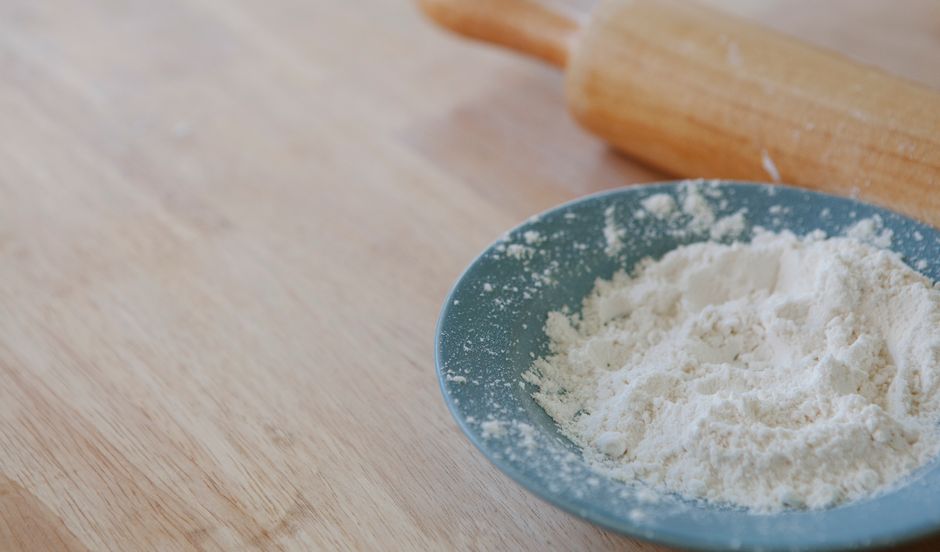
Photo by Antonius Ferret on Pexels
If you’ve ever wondered what that mysterious white powder does in your pantry—or why your muffins fell flat when you ran out—you’re in the right place. Baking powder is one of those ingredients that seems simple but plays a crucial role in creating light, fluffy baked goods. Let’s demystify this essential leavening agent and help you become a more confident baker.
What Exactly Is Baking Powder?
Baking powder is a chemical leavening agent that helps baked goods rise. It’s essentially a mixture of an acid and a base (bicarbonate of soda) that, when activated by moisture and heat, produces carbon dioxide gas. These tiny bubbles get trapped in your batter or dough, creating the light, airy texture we love in cakes, muffins, and biscuits.
Think of baking powder as a self-contained rising system. Unlike baking soda, which needs an acidic ingredient to activate it, baking powder brings its own acid to the party. This makes it incredibly convenient and reliable for home bakers.
The Science Behind the Magic
Most baking powders available in Australian supermarkets are “double-acting.” This means they release carbon dioxide twice: first when mixed with wet ingredients, and again when heated in the oven. This double action gives your bakes extra lift and helps ensure consistent results even if your batter sits for a few minutes before baking.
Baking Powder vs Baking Soda: What’s the Difference?
This is probably the most common confusion among beginner bakers, and honestly, it’s completely understandable. Both are white powders that make things rise, but they work quite differently.
Baking Soda (Bicarbonate of Soda)
- Needs an acidic ingredient to activate (like lemon juice, buttermilk, or brown sugar)
- Works immediately when mixed with acid and liquid
- Much stronger than baking powder—you need less of it
- Can leave a metallic taste if not properly balanced
Baking Powder
- Contains its own acid, so it works in any recipe
- Double-acting varieties work twice for better rise
- More forgiving and predictable
- Perfect for neutral-flavoured bakes
The golden rule: You can’t simply substitute one for the other in equal amounts. If a recipe calls for baking powder and you only have baking soda, you’ll need to add an acidic ingredient and adjust the quantities—it’s usually easier to just pop to the shops!
How to Use Baking Powder Properly
Using baking powder might seem straightforward, but there are a few tricks to getting the best results.
Measuring Matters
Too little baking powder and your cakes will be dense; too much and they’ll rise quickly then collapse, leaving you with a bitter, coarse texture. The general rule is about 1-2 teaspoons per cup of flour, but always follow your recipe’s guidance.
Timing Is Everything
Once you’ve mixed your wet and dry ingredients, get your batter into the oven relatively quickly. While double-acting baking powder gives you some leeway, leaving batter sitting around for too long can result in less rise.
Storage Tips for Maximum Effectiveness
Keep your baking powder in a cool, dry place. The Australian climate can be particularly challenging—humidity is baking powder’s enemy. Always ensure the container is tightly sealed, and consider storing it in the pantry rather than above the stove where it might get warm.
Testing If Your Baking Powder Is Still Active
Baking powder doesn’t last forever. Most brands have a use-by date, but here’s a simple test to check if yours is still good:
- Mix 1 teaspoon of baking powder with 1/3 cup of hot water
- If it bubbles vigorously, it’s still active
- If the reaction is weak or non-existent, it’s time to replace it
Generally, baking powder stays effective for about 12-18 months from opening, but testing is always wise before starting an important bake.
Buying Guide: Choosing Baking Powder in Australia
Walking down the baking aisle at Coles or Woolworths, you’ll find several options. Here’s what to look for:
Popular Australian Brands
- McKenzie’s: Widely available and reliable, often the most budget-friendly option
- Queen: Premium brand with consistent quality, great for special occasion baking
- Home Brand varieties: Usually perfectly adequate for everyday baking and much cheaper
What to Look For
Always choose “double-acting” baking powder when possible—it’s more forgiving and gives better results. Check the use-by date, especially if shopping at smaller stores where stock might not turn over as quickly.
Aluminium-Free Options
Some bakers prefer aluminium-free baking powder, believing it gives a cleaner taste. These are becoming more common in health food stores and larger supermarkets. They work just as well, though they might be slightly more expensive.
Common Baking Powder Mistakes to Avoid
Using Too Much
More isn’t always better. Excessive baking powder can cause cakes to rise too quickly and then collapse, leaving you with a sunken, bitter-tasting disaster.
Not Sifting
Baking powder can form lumps, especially in humid conditions. Sifting it with your flour ensures even distribution and prevents pockets of concentrated leavening.
Mixing Too Vigorously
Once you’ve added liquid to your dry ingredients, mix just until combined. Overmixing can knock out the carbon dioxide bubbles and result in tough, dense baked goods.
When Recipes Don’t Call for Baking Powder
Not all baked goods need baking powder. Dense items like shortbread biscuits, some breads (which use yeast instead), and pastries that rely on butter for texture often skip chemical leaveners entirely. Understanding when and why recipes include baking powder will make you a more intuitive baker.
Frequently Asked Questions
Can I make my own baking powder?
Yes! Mix 1/4 teaspoon bicarbonate of soda with 1/2 teaspoon cream of tartar. This equals 1 teaspoon of baking powder. However, homemade versions aren’t double-acting, so use them immediately and expect slightly different results.
Why did my cake taste bitter even though I followed the recipe?
This usually means too much baking powder was used, or your baking powder is old and breaking down. Check your measurements and test your baking powder’s freshness using the water test mentioned earlier.
Can I use baking powder that’s past its use-by date?
It depends on how old it is and how it’s been stored. The water test is your best friend here. Old baking powder won’t hurt you, but it might not give your bakes the rise they need.
What happens if I forget to add baking powder to my recipe?
Your baked goods will likely be dense and flat. Unfortunately, you can’t add it after the fact—you’ll need to start over. This is why reading through your entire recipe before starting is so important!
Understanding baking powder is a fundamental step in becoming a confident home baker. With this knowledge, you’ll be able to troubleshoot flat cakes, understand why certain recipes work, and even start experimenting with your own creations. Ready to put this knowledge into practice? Visit BakeFinder.com.au to discover local baking suppliers, specialty ingredients, and connect with fellow baking enthusiasts across Australia.