How to Keep Cookies Soft After Baking: The Complete Guide
Published March 2026 · 8 min read · BakeFinder.com.au
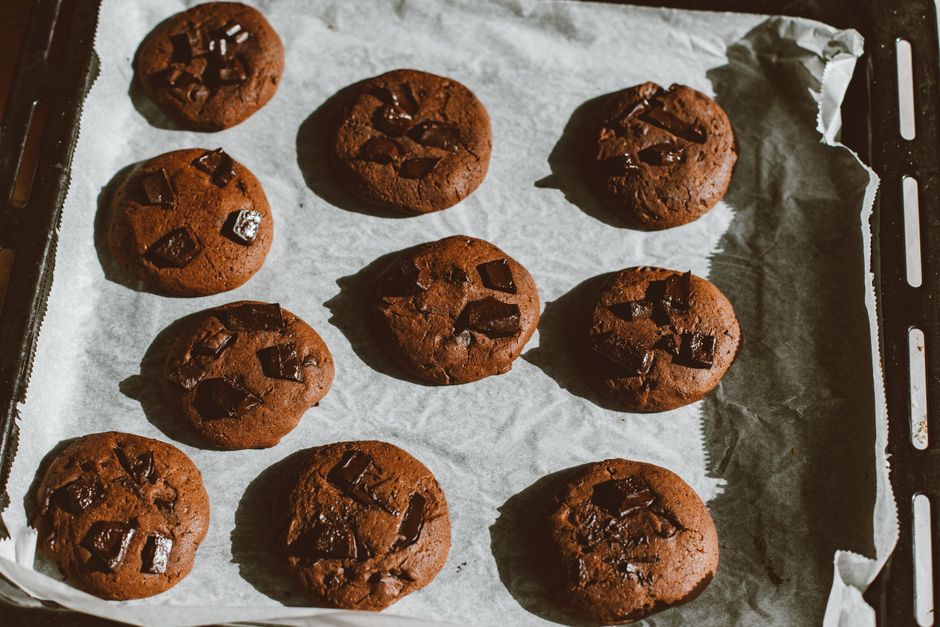
Photo by ROMAN ODINTSOV on Pexels
There’s nothing quite like biting into a perfectly soft, chewy cookie – but keeping them that way after baking can be trickier than you might think. Whether you’re whipping up a batch of classic chocolate chip cookies or experimenting with anzac biscuits, maintaining that coveted soft texture requires the right techniques from mixing bowl to storage container.
The good news? With a few simple tricks and proper storage methods, you can keep your cookies delightfully soft for days, or even weeks. Let’s dive into the science behind soft cookies and discover the best methods to preserve their perfect texture.
Understanding What Makes Cookies Soft
Before we explore preservation methods, it’s essential to understand what creates soft cookies in the first place. The texture of your cookies depends on several factors:
- Moisture content: Higher moisture levels create softer cookies
- Fat type and ratio: Butter and oils contribute to tenderness
- Sugar composition: Brown sugar contains more moisture than white sugar
- Flour type: Plain flour versus self-raising can affect texture
- Baking time and temperature: Underbaking slightly keeps cookies soft
When cookies lose their softness, it’s typically due to moisture evaporation. The starches in the flour begin to crystallise as they cool and dry out, creating that dreaded hard, crunchy texture that nobody wants in a soft cookie.
Baking Techniques for Softer Cookies
Choose the Right Ingredients
Your ingredient choices set the foundation for soft cookies. In Australia, you’ll want to focus on:
- Brown sugar over white: CSR brown sugar contains molasses, which adds moisture
- Butter at room temperature: Properly creamed butter incorporates air while maintaining moisture
- Add an extra egg yolk: The fat content helps keep cookies tender
- Use honey or golden syrup: These liquid sweeteners add moisture and act as humectants
Perfect Your Baking Technique
Slightly underbaking your cookies is key to maintaining softness. Remove cookies from the oven when the edges are just set but the centres still look slightly underdone – they’ll continue cooking on the hot tray for a few minutes after removal.
Bake at 175°C rather than higher temperatures, and consider reducing baking time by 1-2 minutes from your recipe’s recommendation. The cookies should feel soft to the touch when you remove them from the oven.
Step-by-Step Guide to Keeping Cookies Soft
Immediate Post-Baking Steps
- Cool properly: Let cookies cool on the baking tray for 2-3 minutes, then transfer to a wire rack. This prevents overcooking while allowing proper cooling.
- Monitor the cooling process: Don’t let cookies cool completely in open air, as this promotes moisture loss.
- Time your storage: Begin storage methods while cookies still retain some warmth – this traps moisture more effectively.
The Airtight Container Method
- Choose a container with a tight-fitting lid – plastic storage containers or glass jars work brilliantly.
- Line the bottom with a sheet of baking paper.
- Place cookies in a single layer, avoiding overcrowding.
- If stacking is necessary, separate layers with baking paper.
- Seal immediately and store at room temperature.
The Bread Slice Technique
This classic method works wonderfully for maintaining cookie softness:
- Place your cookies in an airtight container as described above.
- Add a slice of fresh white bread to the container.
- Replace the bread slice every 2-3 days to prevent mould.
- The bread releases moisture, which the cookies absorb, maintaining their soft texture.
Advanced Storage Methods
The Paper Towel Method
For extra insurance against hardening:
- Dampen a paper towel with water and wring out excess moisture
- Place the damp towel in a sealed plastic bag
- Put the bag in your cookie container (not touching the cookies directly)
- This creates a humid microenvironment that prevents drying
Freezing for Long-Term Storage
Properly frozen cookies can maintain their soft texture for up to three months:
- Wrap cookies individually in plastic wrap
- Place wrapped cookies in freezer bags, removing excess air
- Label with the date and cookie type
- Thaw at room temperature for 15-20 minutes before serving
Reviving Hard Cookies
If your cookies have already lost their softness, don’t despair! Try these revival methods:
The Microwave Method
Place 2-3 cookies on a microwave-safe plate with a damp paper towel. Microwave for 10-15 seconds. The steam will re-soften the cookies.
The Oven Method
Preheat your oven to 150°C. Place cookies on a baking tray and heat for 3-5 minutes. This gentle reheating can restore some softness.
The Apple Slice Technique
Similar to the bread method, place apple slices in your cookie container overnight. The fruit’s natural moisture will help soften hard cookies.
Common Mistakes to Avoid
- Storing warm cookies: This creates condensation, leading to soggy cookies
- Using the wrong container: Avoid containers that aren’t truly airtight
- Mixing cookie types: Different cookies have different moisture needs – store separately
- Forgetting to replace bread slices: Old bread can develop mould, contaminating your cookies
- Over-baking initially: You can’t make truly hard cookies soft again
Australian Climate Considerations
Australia’s varied climate zones affect cookie storage differently. In humid areas like Queensland and northern New South Wales, you might need less moisture-retention help, whilst the dry heat of South Australia or Western Australia’s interior requires extra attention to preventing moisture loss.
During summer months, consider storing your cookies in the refrigerator if your kitchen gets particularly warm, but always bring them back to room temperature before serving for the best texture.
Troubleshooting Guide
If Cookies Become Too Soft or Soggy
- Remove moisture sources (bread, damp towels)
- Leave container open for 30 minutes to allow excess moisture to escape
- Consider storing in a less humid location
If Cookies Are Still Hardening
- Check your container’s seal – it might not be airtight
- Try the paper towel method for additional humidity
- Consider whether your original recipe needs adjustment for softer results
Frequently Asked Questions
How long can I keep cookies soft using these methods?
With proper storage techniques, most cookies will stay soft for 5-7 days at room temperature. Using the bread slice or paper towel methods can extend this to up to two weeks. Frozen cookies maintain their texture for up to three months.
Can I use these methods for all types of cookies?
These techniques work best for cookies that are meant to be soft, such as chocolate chip, sugar cookies, or soft gingerbread. Crispy cookies like anzac biscuits or gingersnaps are meant to be crunchy, so these methods would change their intended texture.
Is it safe to leave cookies out with bread slices?
Yes, it’s safe as long as you replace the bread slice every 2-3 days and ensure your storage container is clean and airtight. Watch for any signs of mould and discard both bread and cookies if you notice any growth.
What’s the best type of container for storing soft cookies?
Glass containers with rubber seal lids or high-quality plastic containers with locking mechanisms work best. Avoid containers with loose-fitting lids or those that allow air to circulate freely.
Mastering the art of keeping cookies soft is a skill that will serve you well in your baking journey. With these proven techniques, you’ll never have to worry about hard, disappointing cookies again. Remember, the key is starting with properly baked cookies and maintaining their moisture through smart storage techniques.
Ready to put these tips into practice? Find your local bakery supply stores and specialty ingredient suppliers on BakeFinder.com.au to source the best ingredients for your next batch of perfectly soft cookies. Happy baking!